

RECENT POSTS

The Importance of Dry Fruits in Healthy Aging and Seniors Health
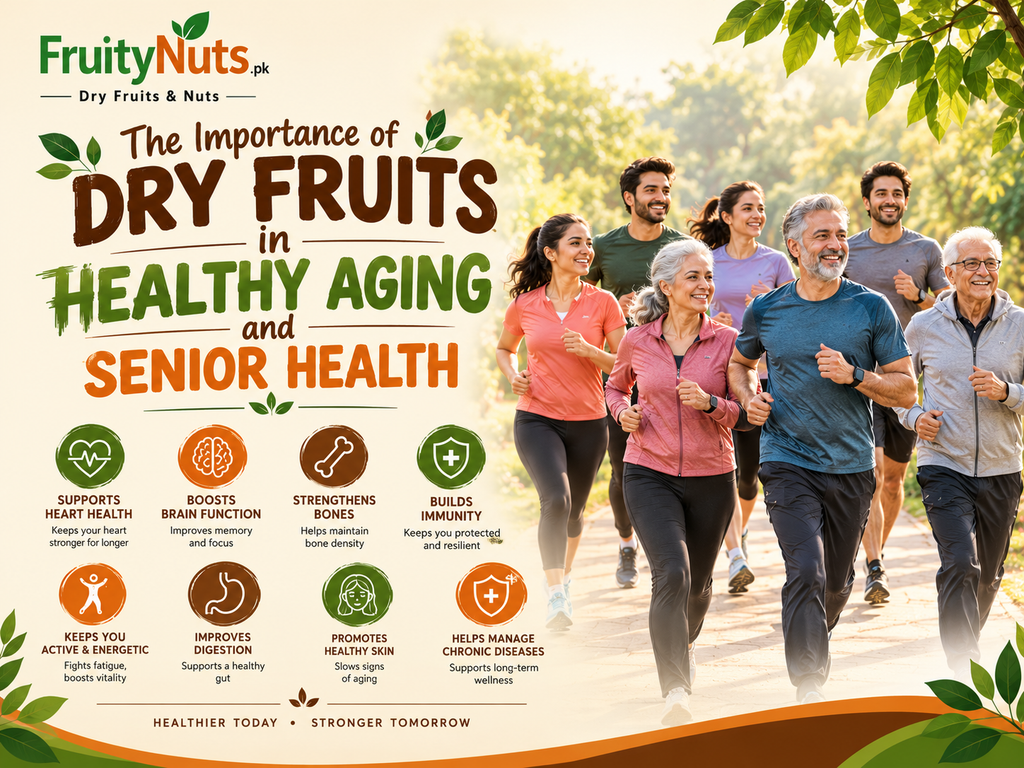
Aging is a natural part of life, but the nutritional needs of the body can change as we grow older. After the age of 50, maintaining a balanced and nutrient-rich diet becomes especially important for supporting bones, muscles, heart health, brain function, skin, eyes, and overall well-being. Dry fruits and nuts can be a convenient part of this healthy eating pattern because they provide a variety of nutrients, including healthy fats, fiber, protein, vitamins, minerals, and naturally occurring plant compounds.
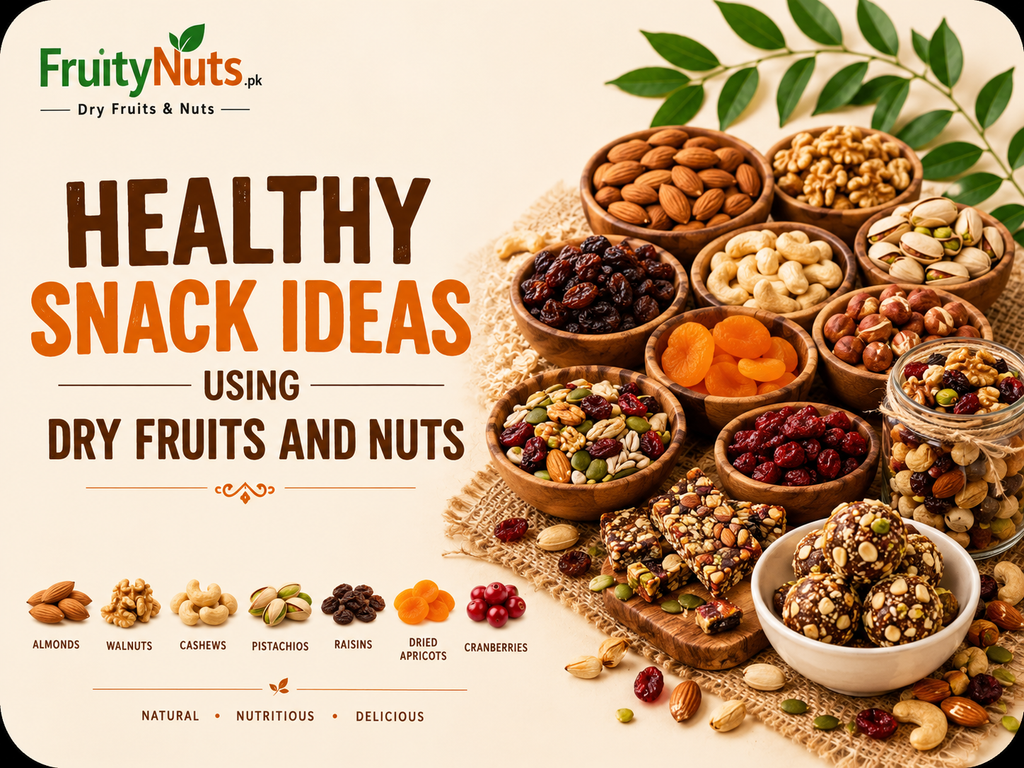
Almonds, walnuts, pistachios, cashews, raisins, dates, figs, and other dried fruits can be added to breakfast, snacks, yogurt, oatmeal, salads, and homemade recipes. They are easy to store and can provide a simple way to add variety to the diet of older adults.
Dry Fruits and Healthy Aging After 50
After 50, eating nutrient-dense foods becomes increasingly important because older people need plenty of nutrients while requiring fewer calories. A balanced diet that includes fruits, vegetables, whole grains, protein foods, dairy or suitable alternatives, nuts, and seeds can support healthy aging.
Dry fruits and nuts can fit naturally into this eating pattern. A small serving of almonds, walnuts, pistachios, or raisins can be enjoyed between meals or added to everyday foods. However, dry fruits should be considered one part of a varied diet rather than a replacement for other important food groups.
Supporting Strong Bones and Joint Function
Bone health becomes an important consideration as people get older. Calcium and vitamin D are particularly important for maintaining strong bones, while protein and other minerals also contribute to normal body function. NIA notes that calcium works together with vitamin D to keep bones strong, and that bone loss can increase the risk of fractures in older adults.
Some nuts and dried fruits can contribute useful minerals to the diet. Almonds, for example, provide magnesium and calcium, while other nuts and seeds provide additional nutrients. These foods can therefore be included as part of an overall eating pattern that supports bone health.
Healthy nutrition also contributes to maintaining muscles and physical function, which are important for mobility and independence as people age.
Dry Fruits for Heart and Blood Circulation
Heart and blood-vessel health becomes increasingly important with age. Nuts contain unsaturated fats, fiber, and other nutrients that can fit into heart-conscious eating patterns.
Walnuts, almonds, and pistachios can be added to meals or enjoyed as small snacks. Choosing unsalted varieties can also help reduce unnecessary sodium intake. NIA recommends that older adults choose foods with little to no added sugar, saturated fat, and sodium as part of a healthy eating pattern.
Good cardiovascular health is also connected with healthy circulation throughout the body. The heart pumps oxygen-rich blood through the arteries, making cardiovascular health an important part of overall aging.
Supporting Brain Health and Mental Wellness
Brain health is another important part of healthy aging. As people grow older, changes can occur in the brain, and maintaining healthy lifestyle habits can help support cognitive health.
Nuts are included in several healthy dietary patterns associated with brain health. For example, the MIND-style diet includes nuts along with vegetables, berries, beans, and fish. NIH research has also examined links between healthy lifestyle patterns and cognitive health in older adults.
Walnuts, almonds, and pistachios can therefore be included as part of a varied diet that supports overall nutritional health. They should not be viewed as a treatment or cure for memory problems, but as one nutritious food choice within a healthy lifestyle.
Dry Fruits and Eye Health
Maintaining good eyesight is an important concern for many people as they age. Eye health depends on a combination of factors, including genetics, age, overall health, and nutrition.
Nuts and dried fruits can contribute different vitamins, minerals, healthy fats, and antioxidant compounds to the diet. Almonds, for example, contain vitamin E, while other plant foods provide additional nutrients and antioxidants.
Rather than depending on one particular dry fruit for eyesight, seniors can benefit from eating a varied diet containing fruits, vegetables, nuts, seeds, and other nutrient-rich foods.
Supporting Healthy Skin as You Age
Skin naturally changes with age and may become drier and less elastic. A nutritious diet can provide nutrients that support normal skin function.
Almonds, walnuts, and other nuts contain healthy fats and vitamin E or other nutrients, while dried fruits provide various vitamins, minerals, and plant compounds. Staying adequately hydrated and eating a variety of fruits and vegetables are also important parts of maintaining overall skin health.
Dry fruits cannot stop the natural aging process of the skin, but including nutrient-rich foods in a balanced diet can contribute to general nutritional support.
Fiber and Digestive Health
Digestive health can also become an important consideration with age. Some dried fruits, including raisins, figs, and prunes, provide dietary fiber.
Fiber is an important part of a healthy diet, and drinking enough water is also important. Older adults should increase fiber gradually if their current intake is low and should consider individual dietary needs, especially if they have digestive conditions.
Natural Energy for Everyday Activities
Dates and raisins contain naturally occurring carbohydrates and can be convenient foods when someone wants a quick source of energy. Nuts such as almonds, walnuts, cashews, and pistachios provide healthy fats and protein that can make a snack more satisfying.
A small combination of dates and nuts can be a practical snack before or between daily activities. Because both nuts and dried fruits can be relatively calorie-dense, keeping portions moderate is important.
Why Portion Matters After 50
Dry fruits and nuts can be nutrient-dense, but that does not mean that eating large amounts is better. A small portion can provide plenty of nutrients and energy.
Older adults may have lower calorie needs while still needing a wide range of nutrients. This is why NIA recommends focusing on nutrient-dense foods and paying attention to both food quality and quantity.
For everyday snacking, a small handful of unsalted nuts combined with a modest amount of dried fruit can be a simple option. Individual needs can vary depending on age, activity level, medications, and health conditions.
Easy Ways to Add Dry Fruits to a Senior Diet
There are many simple ways to include dry fruits and nuts in everyday meals. Chopped almonds or walnuts can be added to oatmeal or yogurt. Raisins can be mixed with breakfast cereals, while pistachios can be added to salads or homemade snacks.
Dates can be enjoyed with nuts, and dried figs can be eaten as part of a snack alongside yogurt or fresh fruit. A homemade trail mix containing unsalted nuts and a moderate amount of dried fruit can also be convenient.
For seniors who have difficulty chewing or swallowing, whole nuts and large pieces of dried fruit may not be appropriate. Softer preparations or finely chopped ingredients may be easier, depending on individual needs.
Choosing the Right Dry Fruits for Older Adults
When choosing dry fruits for seniors, it is useful to check the ingredient and nutrition labels. Unsalted nuts and dried fruits without unnecessary added sugar can be practical choices for many people.
People with diabetes, kidney disease, food allergies, swallowing difficulties, or other medical conditions may have specific dietary requirements. In these situations, it is better to follow personalized advice from a doctor or registered dietitian rather than assuming that every dry fruit is suitable.
Final Thoughts
Dry fruits and nuts can be a valuable part of a balanced diet for people over 50. Almonds, walnuts, pistachios, cashews, raisins, dates, and figs can provide a variety of nutrients that support a healthy eating pattern.
As part of an overall nutritious lifestyle, these foods can contribute to dietary support for bone health, normal muscle and joint function, cardiovascular health, brain health, eye health, skin health, and digestion. They are not a cure for age-related health conditions, but including a variety of nutrient-dense foods can be an important part of healthy aging.
The best approach is to enjoy dry fruits in sensible portions alongside vegetables, fresh fruits, whole grains, adequate protein, dairy or suitable alternatives, and enough water. Combined with regular physical activity and appropriate medical care, a balanced diet can help older adults maintain their health and independence as they age.
