

RECENT POSTS

Traditional Sweets: Discover the Sweetness of Our Heritage
Traditional Sweets: Discover the Sweetness of Our Heritage
Introduction
Traditional sweets, or Riwayati Mithaiyan, have been a cherished part of Pakistani culture and traditions for generations. For many years, these sweets have been shared with family, offered to guests, served at celebrations, and enjoyed during important occasions. Their presence in weddings, Eid gatherings, festivals, family events, and other happy moments reflects the deep connection between traditional sweets and our cultural heritage.
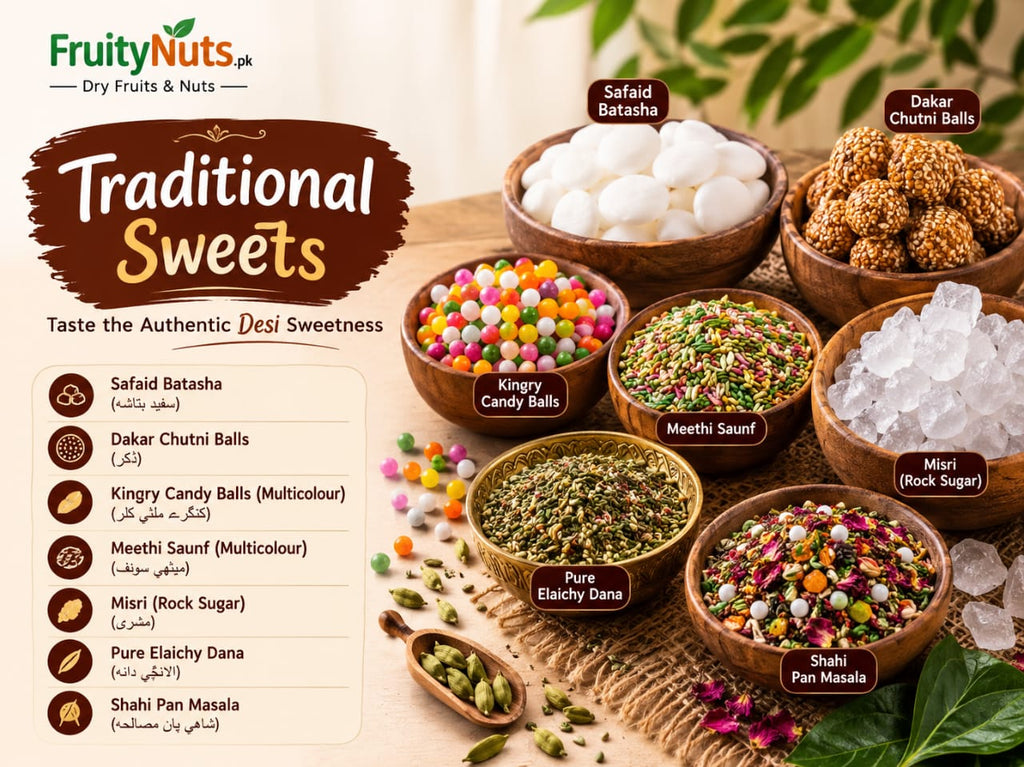
From Safaid Batasha and Dakar Chutni Balls to Kingry Candy Balls, Meethi Saunf, Misri, Pure Elaichi Dana, Shahi Pan Masala, and Special Chakwal Rewari, these traditional favorites bring together familiar flavors, colors, aromas, and textures that have remained popular over the years.
Traditional sweets are more than just something sweet to eat. They are often associated with hospitality, celebration, family gatherings, and the simple joy of sharing something special with others. Many of these products have been enjoyed in homes and communities for decades, making them a memorable part of traditional food culture.
Different traditional sweets also have their own distinctive character. Some are known for their delicate sweetness, some for their crunchy texture, while others combine sweet, spicy, tangy, or aromatic flavors. Ingredients such as Saunf (Fennel Seeds), Elaichi (Cardamom), Til (Sesame Seeds), and traditional spices further contribute to their unique taste and cultural appeal.
Today, traditional sweets continue to hold their place in everyday life as well as special occasions. While many are best enjoyed in moderate portions because of their sugar content, their cultural value, traditional appeal, and connection with cherished memories make them an important part of our culinary heritage.
Quick Answer
Traditional sweets are a long-standing part of Pakistani culture, enjoyed for generations during celebrations, family gatherings, hospitality, and special occasions. They are valued not only for their sweetness and distinctive flavors but also for the traditions and memories connected with them.
Popular examples include Safaid Batasha, Meethi Saunf, Misri, Pure Elaichi Dana, and Special Chakwal Rewari. Each has its own traditional taste, texture, and cultural appeal.
Are Traditional Sweets Good for You?
Traditional sweets can be enjoyed as part of a balanced diet, particularly as an occasional treat.
Their nutritional value depends on their ingredients. Meethi Saunf contains fennel seeds, Elaichi Dana contains cardamom seeds, and Chakwal Rewari is traditionally associated with sesame and sugar.
On the other hand, Misri and Batasha are mainly sweet products and provide mostly carbohydrates from sugar.
So, rather than calling every mithai “healthy,” it is better to enjoy each product for what it actually offers and keep portions sensible.
What Are the 7 Benefits of Traditional Sweets?
1. Provide Quick Energy From Carbohydrates
Many traditional sweets contain sugar, which is a source of carbohydrates.
Products such as Safaid Batasha, Misri (Rock Sugar), and Kingry Candy Balls (Kingry Candy Goli) can provide quick energy because their main ingredient is generally sugar or a sugar-based preparation.
This makes them energy-dense foods that can satisfy a sweet craving with a small serving.
However, this also means they should be eaten in moderation, particularly if you are trying to limit added sugar.
2. Meethi Saunf Adds the Natural Aroma of Fennel
Meethi Saunf combines the naturally aromatic flavor of fennel seeds with a sweet coating.
Fennel seeds contain naturally occurring plant compounds and are traditionally chewed after meals in South Asian households.
The sweet coating adds sugar, so Meethi Saunf should be treated as a traditional after-meal sweet rather than a substitute for plain fennel seeds.
It is especially popular because of its refreshing taste and pleasant aroma.
3. Elaichi Dana Provides Cardamom's Distinctive Flavor
Pure Elaichi Dana is made around the distinctive flavor of cardamom.
Cardamom contains naturally occurring aromatic compounds and has a long history of culinary use. Its warm, slightly sweet aroma makes it popular after meals and in traditional drinks and desserts.
Elaichi Dana can therefore be enjoyed as a flavorful traditional mouth freshener.
As with other sweetened products, the added sugar means portion size matters.
4. Chakwal Rewari Combines Sesame Seeds and Sweetness
Special Chakwal Rewari (Cheeni Wali) is a traditional sweet associated with Til (Sesame Seeds) and sugar.
Sesame seeds naturally provide healthy fats, plant-based protein, calcium, magnesium, and other minerals. These nutrients come from the sesame component rather than from the sugar.
This makes Rewari different from a simple sugar candy because its sesame content contributes nutritional value as well as its characteristic crunchy texture.
Still, because sugar is an important part of Rewari, it is best enjoyed in a moderate portion.
5. Traditional Sweets Add Variety to Celebrations
Traditional sweets are not only about nutrition. They are also connected with culture, hospitality, celebrations, and family traditions.
Safaid Batasha, Misri, Kingry Candy Balls, Rewari, and Meethi Saunf can all be used in different social and traditional settings.
Sharing mithai with guests or enjoying a small sweet after a meal can be part of a balanced lifestyle when overall food choices remain nutritious.
6. Spices and Aromatic Ingredients Add Distinctive Flavors
Some traditional sweet products combine sweetness with aromatic ingredients.
Dakar Chutni Balls are enjoyed for their distinctive tangy and spicy taste, while Shahi Pan Masala combines aromatic ingredients traditionally associated with pan-style mouth fresheners.
Ingredients such as cardamom, fennel, and other spices contain naturally occurring aromatic plant compounds.
These ingredients make traditional mouth fresheners and sweets more interesting than plain sugary foods.
7. Offer a Traditional Alternative for a Sweet Craving
Sometimes you simply want something sweet after a meal or with tea.
A small serving of Misri (Rock Sugar), Batasha, Meethi Saunf, Candy Balls, or Rewari can satisfy that traditional sweet craving.
The key is portion control. Traditional sweets can fit into a balanced diet without needing to be completely avoided, as long as they do not replace nutritious everyday foods.
How Much Traditional Sweet Should You Eat a Day?
There is no fixed daily serving for all traditional sweets because every product has a different recipe and nutritional profile.
For sugar-based products such as Misri, Batasha, and Candy Balls, a small portion is more appropriate because they are concentrated sources of sugar.
For products containing seeds, such as Chakwal Rewari, portion size still matters because the sweet also contains sugar.
These products are best enjoyed as occasional treats or in small portions, rather than as a major part of your daily diet.
Is Rock Sugar/Misri Better Than Regular Sugar?
Misri (Rock Sugar) is essentially crystallized sugar. Although it looks different from ordinary granulated sugar, it is still primarily sugar and should be consumed in moderation.
Its larger crystals and traditional presentation make it popular in tea, desserts, and after-meal use, but it should not be considered a sugar-free or low-sugar food.
Can You Eat Meethi Saunf Every Day?
Meethi Saunf can be enjoyed in small amounts, but it contains a sweet coating that adds sugar.
If you particularly enjoy fennel after meals, plain Sounf (Fennel Seeds) is a lower-sugar option than sweetened Meethi Saunf.
Meethi Saunf is best viewed as a traditional sweet mouth freshener rather than something that needs to be consumed in large quantities every day.
How Should Traditional Sweets Be Stored?
Most dry traditional sweets should be kept in a cool, dry place in an airtight container.
Keep products such as Batasha, Misri, Candy Balls, Meethi Saunf, Elaichi Dana, and Rewari away from moisture and humidity because moisture can affect their texture.
Avoid direct sunlight and excessive heat, especially for products containing seeds or other ingredients that can lose freshness over time.
Always follow the storage instructions provided on the product packaging.
Sugar-Based vs Seed-Based Traditional Sweets: Which Is Better?
It depends on what you are looking for.
Sugar-based products, such as Safaid Batasha, Misri, and Kingry Candy Balls, are mainly enjoyed for sweetness and quick carbohydrate energy.
Seed-based sweets, such as Chakwal Rewari, can provide additional nutrients from sesame seeds, including healthy fats, protein, calcium, and magnesium.
Neither should be considered an unlimited health food. The best choice depends on the ingredients, portion size, and your overall diet.
How Can You Enjoy Traditional Sweets?
There are many simple ways to enjoy these products:
- Have a small amount of Safaid Batasha after a meal.
- Enjoy Misri (Rock Sugar) occasionally with tea or traditional drinks.
- Keep Meethi Saunf as a traditional after-meal mouth freshener.
- Try Pure Elaichi Dana for a sweet cardamom flavor.
- Enjoy Special Chakwal Rewari (Cheeni Wali) in a small portion with tea.
- Keep Kingry Candy Balls (Multicolour) for an occasional sweet treat.
- Enjoy Dakar Chutni Balls when you want a tangy and spicy traditional flavor.
- Use Shahi Pan Masala as a traditional aromatic mouth-freshener product according to its ingredients and intended use.
- Serve traditional sweets during Eid, weddings, family gatherings, and special occasions.
- Pair a small sweet portion with nutritious foods throughout the day rather than replacing meals with sweets.
Frequently Asked Questions
What is Safaid Batasha?
Safaid Batasha is a traditional sugar-based sweet known for its light, airy, crisp texture and sweetness. It is commonly associated with traditional celebrations and cultural occasions.
What is Chakwal Rewari made from?
Special Chakwal Rewari is a traditional sweet generally made using sesame seeds and sugar. Sesame seeds contribute protein, healthy fats, calcium, magnesium, and other nutrients.
What is the difference between Meethi Saunf and Pure Elaichi Dana?
Meethi Saunf is based on fennel seeds with a sweet coating, while Pure Elaichi Dana is based on cardamom seeds and has a characteristic cardamom aroma and flavor.
Is Misri healthier than sugar?
Misri is still primarily sugar. Its crystal form is different from regular granulated sugar, but it should still be consumed in moderation.
Can traditional sweets be eaten during a balanced diet?
Yes. Traditional sweets can fit into a balanced diet when enjoyed in reasonable portions. The key is to keep sugary foods moderate and make nutritious foods such as fruits, vegetables, whole grains, legumes, nuts, and seeds the foundation of your diet.
Conclusion
Traditional sweets are an important part of Pakistani food culture, bringing together sweetness, aroma, texture, tradition, and cherished memories. Products such as Safaid Batasha, Dakar Chutni Balls, Kingry Candy Balls, Meethi Saunf, Misri, Pure Elaichi Dana, Shahi Pan Masala, and Special Chakwal Rewari each have their own distinctive taste and traditional appeal.
For generations, these traditional favorites have been shared during Eid, weddings, family gatherings, festivals, and other special occasions. Their role in hospitality and celebrations makes them more than simply sweet foods—they are also a reflection of cultural traditions passed from one generation to another.
Some products, such as Meethi Saunf and Elaichi Dana, contain aromatic seeds and spices, while Chakwal Rewari can provide nutrients from sesame seeds. Others, such as Misri and Batasha, are primarily sweet treats that provide carbohydrates from sugar.
The best way to enjoy traditional sweets is with moderation, sensible portions, and a balanced overall diet while continuing to appreciate the traditions and memories associated with them.
Looking for traditional sweets and mouth-freshening favorites?
Explore Safaid Batasha, Dakar Chutni Balls, Kingry Candy Balls (Multicolour), Meethi Saunf (Multicolour), Misri (Rock Sugar), Pure Elaichi Dana, and Shahi Pan Masala at FruityNuts.
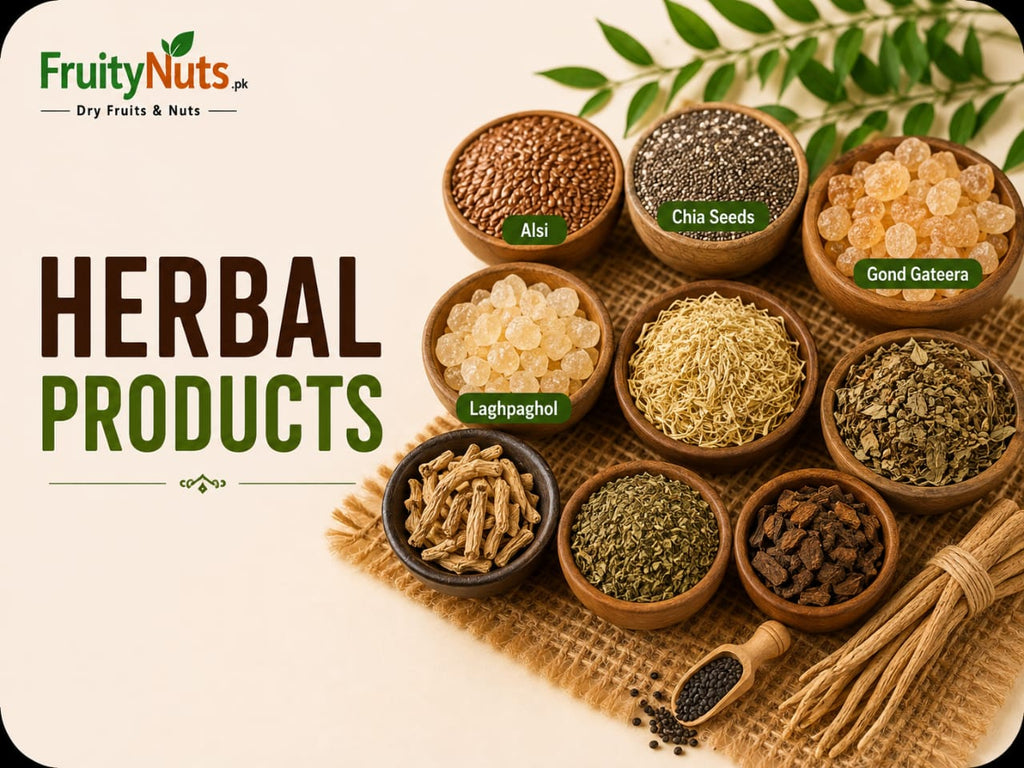
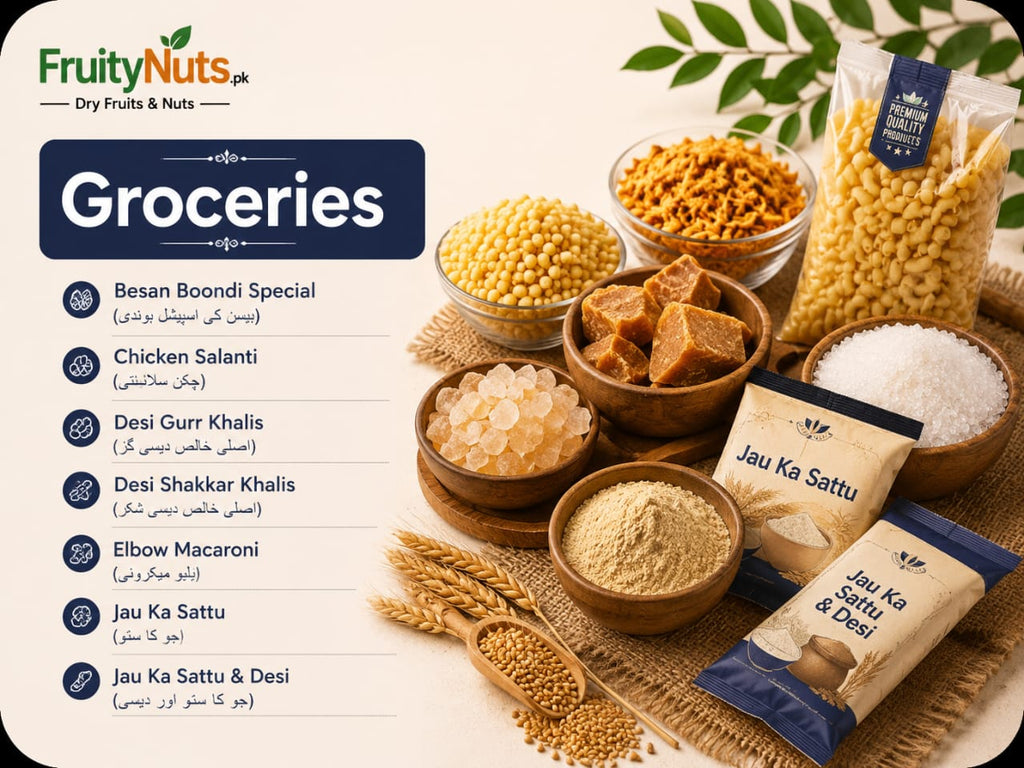
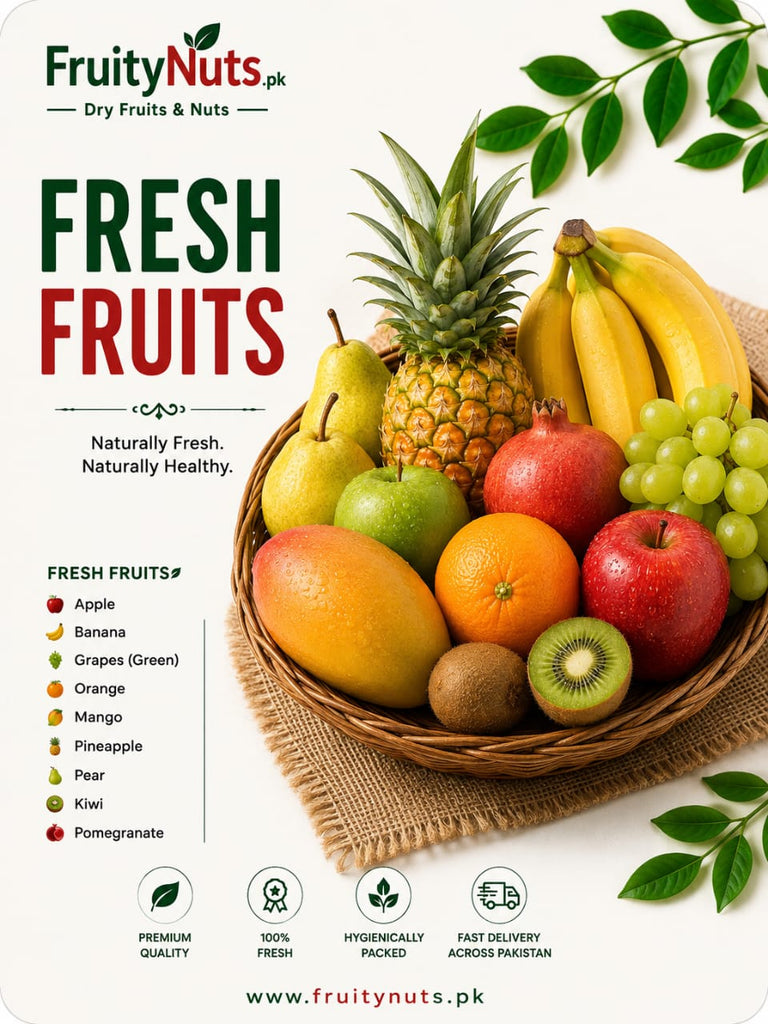
You can also explore Dry Fruits, Herbal Products, Spices, Honey, Desi Ghee, and Fresh Fruits to find more traditional ingredients for your home and celebrations.
Bring the taste of tradition to your table and enjoy the sweetness of our cultural heritage.
Sources
- USDA FoodData Central — Sesame seeds, fennel, cardamom, and sugar
- Dietary Guidelines for Americans — Added sugars and balanced eating patterns
