

RECENT POSTS

Pistachios: The Crunchy Nut Worth Adding to Your Diet
Pistachios: The Crunchy Nut Worth Adding to Your Diet
Introduction
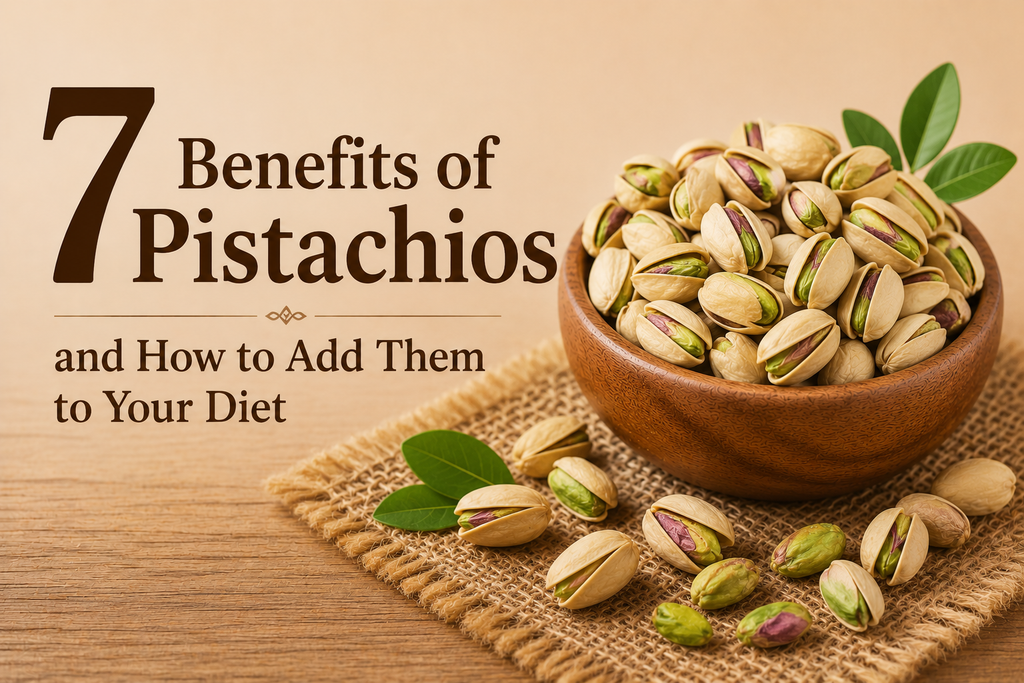
Pistachios, commonly known as pista, are one of the most loved dry fruits, known for their naturally green color, mild sweetness, and satisfying crunch. They are easy to enjoy on their own and can also be added to desserts, breakfast bowls, salads, smoothies, rice dishes, and everyday snacks.
But pista is more than just a tasty dry fruit. It provides plant-based protein, dietary fiber, healthy unsaturated fats, potassium, magnesium, vitamin B6, vitamin K, copper, and natural plant compounds such as carotenoids and polyphenols. These nutrients make pistachios a nutrient-dense addition to a balanced diet.
Whether you enjoy Fruity Nuts Pista as a simple snack or use it in desserts and homemade snack mixes, adding a moderate amount to your diet can be an easy way to enjoy both taste and nutrition. Fruity Nuts lists Pista as one of its dry-fruit products.
Quick Answer
Pistachios are nutrient-dense nuts that provide protein, fiber, healthy fats, potassium, magnesium, vitamin B6, and antioxidant plant compounds. Eating them in moderate amounts may support heart health, healthy cholesterol levels, blood pressure, digestion, blood sugar management, eye health, and fullness between meals.
Are Pistachios Good for You?
Yes, pistachios can be a healthy addition to your diet when eaten in moderate portions. They provide a combination of protein, fiber, healthy fats, vitamins, minerals, and antioxidant compounds.
Pistachios are particularly interesting because they contain carotenoids such as lutein and zeaxanthin, along with polyphenols and other plant compounds that contribute to their antioxidant properties. They also provide potassium, magnesium, vitamin B6, copper, and vitamin K.
Like other nuts, pistachios are calorie-dense, so enjoying a sensible portion is better than eating large amounts at once.
What Are the 7 Benefits of Pistachios?
1. Provides Antioxidants That Help Protect Cells
One of the interesting features of pistachios is their antioxidant content. They contain plant compounds such as polyphenols, lutein, zeaxanthin, and tocopherols, which can help protect cells from oxidative stress.
Antioxidants are part of the body's natural defense against oxidative damage. Including different antioxidant-rich foods in your diet can therefore contribute to overall nutrition and normal body function.
The green and purple colors found in pistachio kernels are partly related to naturally occurring carotenoids and anthocyanins.
2. May Support Heart Health and Healthy Cholesterol
Pistachios contain mostly unsaturated fats along with fiber, phytosterols, potassium, and other nutrients that can fit well into a heart-friendly eating pattern.
Research suggests that including pistachios in the diet may improve some blood lipid measures. A systematic review and meta-analysis of randomized controlled trials found beneficial effects on several cardiometabolic markers, including some cholesterol-related measures.
Pista should not be considered a treatment for heart disease, but replacing less nutritious snacks with a moderate serving of pista can be one part of a balanced diet.
3. May Help Support Healthy Blood Pressure
Pistachios are a good source of potassium and also provide magnesium and healthy unsaturated fats. These nutrients can contribute to a balanced diet that supports cardiovascular health.
Research has found that pistachio consumption may have a modest beneficial effect on systolic blood pressure. A systematic review and meta-analysis of randomized trials found a significant reduction in systolic blood pressure, although more research is needed to understand the long-term effects.
This does not mean pista can replace blood-pressure medication or medical treatment, but it can be included as part of a healthy eating pattern.
4. Supports Digestive and Gut Health
Pistachios provide dietary fiber, which is important for normal digestion and regular bowel movements.
But their potential benefits may go beyond fiber. Research has explored how pistachios can influence the gut microbiota, with findings suggesting that they may help support a healthier balance of gut bacteria.
For better digestive health, pista can be combined with other fiber-rich foods such as fruits, vegetables, whole grains, and dried fruits.
5. May Support Healthy Blood Sugar Management
Pistachios provide protein, fiber, healthy fats, and relatively little carbohydrate compared with many common snack foods. This combination can make them useful in a balanced eating pattern focused on better blood sugar control.
Research has found that pistachio-enriched diets may have beneficial effects on fasting blood sugar and HbA1c in some populations. A meta-analysis of randomized controlled trials reported improvements in several blood-sugar-related markers.
However, pistachios are not a treatment for diabetes, and portion size still matters.
6. Contains Nutrients and Carotenoids Important for Eye Health
Pistachios contain lutein and zeaxanthin, carotenoids that are naturally concentrated in the retina and macula of the eye.
These compounds act as antioxidants and help filter certain types of light reaching the eye. Research has suggested that diets containing lutein and zeaxanthin may be associated with eye-health benefits, although specific long-term effects from pistachio consumption require further study.
Including pista alongside other colorful fruits and vegetables can therefore add variety to an eye-supportive, nutrient-rich diet.
7. Helps You Feel Full Between Meals
Pistachios provide a combination of protein, fiber, and healthy fats, which can make them a satisfying snack.
Feeling fuller after eating can make it easier to manage unnecessary snacking between meals. Research on pistachios has also explored their role in satiety and weight management, although they should still be eaten in moderate portions because nuts are energy-dense.
A small handful of pista can therefore be a convenient alternative to many highly processed snacks.
How Many Pistachios Should You Eat a Day?
For most healthy adults, around 1 ounce (28 grams) of pistachios is a reasonable portion. This is roughly a small handful and can provide protein, fiber, healthy fats, and several vitamins and minerals. A typical 28-gram serving contains around 50 pistachio kernels, although the exact number can vary by size.
You do not have to eat pista every day to enjoy its nutritional benefits. The important thing is to keep your overall diet varied and enjoy calorie-dense nuts in sensible portions.
Are Pistachios a Good Source of Protein?
Yes. Pistachios provide plant-based protein along with dietary fiber and healthy fats. A 28-gram serving provides around 6 grams of protein, making pista a useful addition to snacks and meals.
You can combine pistachios with yogurt, oats, milk, fruit, or other nuts to create a more balanced snack.
Can You Eat Pistachios Every Day?
Yes, most people can enjoy pistachios every day as part of a balanced diet, provided the portion is moderate.
A small handful can be eaten as a snack or added to breakfast, salads, desserts, and meals. If you choose salted pista, keep an eye on the amount of sodium, especially if you are trying to reduce your salt intake.
If you have a tree-nut allergy, however, you should avoid pistachios and follow medical advice.
How Should Pistachios Be Stored?
Pistachios contain natural oils, so storing them properly helps maintain their taste, crunch, and freshness.
Keep pista in an airtight container away from direct sunlight, heat, and moisture. For longer storage, refrigeration can help maintain freshness.
Always check the nuts before eating them. An unusual smell, stale taste, or visible moisture can indicate that they are no longer fresh.
Raw vs Roasted Pistachios: Which Is Better?
Both plain and roasted pistachios can be enjoyable choices.
Plain pistachios have a naturally mild, slightly sweet flavor and can be used in snacks, smoothies, desserts, and meals. Roasted pista has a deeper flavor and crunch, making it popular as a ready-to-eat snack.
The main thing to watch is what is added during processing. Unsalted or lightly salted pistachios are generally a simpler choice than varieties with excessive salt, sugar, or added flavorings.
Fruity Nuts offers Pista as part of its dry-fruit collection, making it easy to enjoy this crunchy nut as a snack or use it in your favorite recipes.
How Can You Add Pista to Your Diet?
There are many easy ways to enjoy pista without making major changes to your daily meals.
- Eat a small handful as a mid-morning or evening snack.
- Add chopped pistachios to oatmeal or breakfast cereal.
- Sprinkle crushed pista over yogurt or fruit.
- Add pistachios to homemade desserts and kheer.
- Mix them with Badam, Kaju, and Akhrot for a homemade dry-fruit mix.
- Add chopped pista to salads for extra crunch.
- Blend pistachios into smoothies or milk.
- Use crushed pistachios as a topping for rice dishes and desserts.
You can also combine pista with other dry fruits for more variety. Badam provides vitamin E, healthy fats, and protein, while Akhrot is a source of plant-based omega-3 ALA. Kaju adds healthy fats and plant-based protein, while dried fruits such as Kishmish, Dried Plum, Injeer, and Khubani can add natural sweetness to a homemade snack mix. Fruity Nuts offers a variety of these dry fruits alongside Pista.
Frequently Asked Questions
Are pistachios good for your eyes?
Pistachios contain lutein and zeaxanthin, carotenoids that are found in the retina and may help protect the eyes from oxidative stress. However, eating pista alone cannot prevent or treat eye diseases.
Can pistachios help with weight management?
Pistachios can be a filling snack because they provide protein, fiber, and healthy fats. Research has explored their role in satiety and weight management, but portion size remains important because pistachios are calorie-dense.
Are pistachios good for people with diabetes?
Pistachios can be included in a balanced diet for many people with diabetes. Research has found possible improvements in some blood-sugar markers with pistachio-enriched diets. However, they should not be considered a treatment for diabetes, and portion size and the overall meal plan remain important.
Can pistachios help control blood pressure?
Some research suggests that pistachio consumption may modestly reduce systolic blood pressure. A systematic review of randomized controlled trials found a significant reduction in systolic blood pressure, although further research is needed.
Are roasted pistachios healthy?
Roasted pista can still be a nutritious snack. When choosing roasted pista, check the ingredients and choose options that are not heavily salted, sugar-coated, or loaded with unnecessary additives.
Conclusion
Pistachios are a tasty, crunchy, and versatile dry fruit that can fit easily into everyday meals. They provide plant-based protein, dietary fiber, healthy fats, potassium, magnesium, vitamin B6, vitamin K, and antioxidant plant compounds.
From supporting heart health and healthy cholesterol levels to providing nutrients linked with eye health, digestion, blood sugar management, and fullness between meals, pista can be a useful addition to a balanced diet.
You can also enjoy pista alongside other dry fruits such as Badam Giri, Kaju, Akhrot, Kishmish, Injeer, and Khubani. Mixing different nuts and dried fruits can add variety to your snacks while giving you different flavors and nutrients.
The key is moderation. Enjoy a small handful of plain or lightly salted pistachios alongside a varied diet rather than relying on any single food for disease prevention or treatment.
Looking for quality pista in Pakistan?
Explore Pista from Fruity Nuts for a crunchy and nutritious snack that can be enjoyed on its own or added to desserts, breakfast, salads, smoothies, and homemade dry-fruit mixes.
You can also explore Badam , Kaju, Akhrot, Kishmish, Injeer, Khubani, and other dry fruits available at Fruity Nuts. With a wide range of dry fruits and nuts, Fruity Nuts makes it easy to add nutritious and delicious options to your everyday diet.
Sources
- Fruity Nuts — Pista (Pistachio Nuts).
- Fruity Nuts — Dry Fruits collection.
- Review of the physicochemical properties and health benefits of pistachios.
