

RECENT POSTS

Kishmish: A Naturally Sweet Treasure in Every Bite
Raisins/Kishmish: A Naturally Sweet Treasure in Every Bite
Introduction
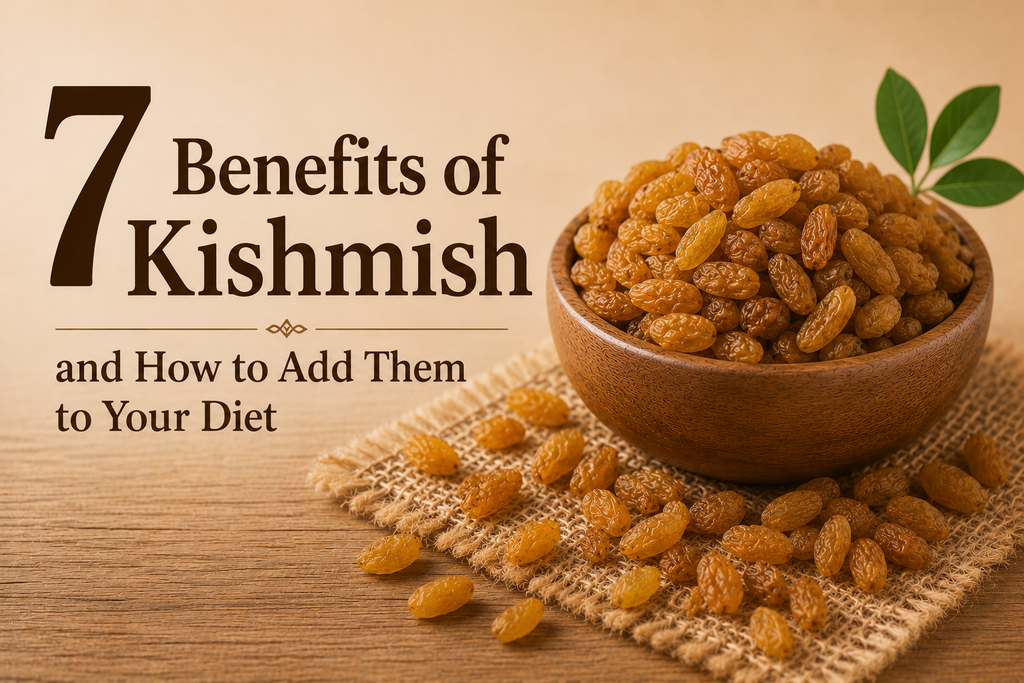
Kishmish, commonly known as raisins or Sogi, is one of the most popular dried fruits enjoyed for its naturally sweet taste, soft and chewy texture, and convenient size. Made by drying grapes, Kishmish is an easy snack that can be enjoyed on its own or added to milk, breakfast dishes, desserts, salads, cereals, yogurt, and homemade dry-fruit mixes.
Among different varieties of raisins, Munakka is commonly recognized as a larger type of dried grape, while Kishmish varieties can differ in size, color, sweetness, softness, and drying method. Fruity Nuts offers different options, including Kishmish Desi, Sogi, Kishmish Sundar Khani, Kishmish Black, and Munakka.
But Kishmish is more than just a naturally sweet dry fruit. It provides dietary fiber, potassium, iron, calcium, magnesium, and naturally occurring plant compounds such as polyphenols and other antioxidants. These nutrients can contribute to digestion, normal energy needs, healthy blood pressure, mineral intake, and overall nutrition when Kishmish is enjoyed as part of a balanced diet.
Whether you enjoy Kishmish on its own or combine it with Badam, Kaju, Pista, Akhrot, Injeer, Munakka, and other dry fruits, a moderate portion can be a simple way to add natural sweetness and useful nutrients to your everyday diet.
Quick Answer
Kishmish, or raisins and Munakka is a nutrient-rich dried fruit that provides natural carbohydrates, dietary fiber, potassium, iron, magnesium, calcium, and antioxidant plant compounds. Eating Kishmish in moderate amounts may support digestive health, regular bowel movements, natural energy, healthy blood pressure, and overall nutrient intake.
Kishmish and Munakka are both dried grapes, although Munakka is generally larger and can have a different texture and flavor. Sogi is also commonly used to refer to raisins in everyday Pakistani usage.
Because dried grapes have less water than fresh grapes, their natural sugars and calories become more concentrated. For this reason, portion size is important.
Are Kishmish Good for You?
Yes, Kishmish can be a nutritious addition to a balanced diet when eaten in a sensible portion.
When grapes are dried, much of their water is removed, concentrating their natural carbohydrates, sugars, fiber, minerals, and plant compounds. This gives Kishmish its characteristic sweetness and makes it a convenient source of nutrients in a small serving.
Kishmish also contains naturally occurring polyphenols and other phytochemicals with antioxidant activity. These compounds contribute to the nutritional value of raisins and dried grapes.
Munakka has a similar nutritional profile because it is also a dried grape. However, the exact nutritional content of Kishmish, Sogi, or Munakka can vary depending on the grape variety, drying method, serving size, and processing.
Since Kishmish is a dried fruit, moderation is important. A small serving can fit easily into a varied diet without consuming a large amount of concentrated natural sugar and calories.
What Are the 7 Benefits of Kishmish?
1. Supports Healthy Digestion
One of the most useful benefits of Kishmish is its dietary fiber content. Fiber helps add bulk to stool and supports normal bowel movements, making Kishmish a convenient addition to a fiber-rich diet.
The fiber in Kishmish can contribute to normal digestive function and regularity. Raisins have also been studied for their potential effects on colon function and gut microbiota, including possible prebiotic effects.
Kishmish can be combined with other fiber-containing foods such as Injeer, oats, fruits, vegetables, and whole grains for a more varied diet.
Munakka can also contribute fiber because it is another form of dried grape.
2. Provides Natural Energy
Kishmish contains naturally occurring carbohydrates, mainly glucose and fructose, which provide a readily available source of energy.
This makes Kishmish a convenient snack when you want something naturally sweet during a busy day, while travelling, or between meals.
Unlike many highly processed sweet snacks, Kishmish also provides fiber, minerals, and plant compounds along with its natural carbohydrates.
For a more satisfying snack, you can combine Kishmish with Badam, Kaju, Pista, or Akhrot. The nuts add healthy fats and plant-based protein to the snack.
3. Provides Potassium for Heart and Blood Pressure Support
Kishmish provides potassium, an essential mineral involved in normal nerve function, muscle contraction, fluid balance, and heart function. Potassium also plays an important role in maintaining healthy blood pressure.
Research on raisin consumption has investigated potential effects on blood pressure, with some studies finding a modest benefit for systolic blood pressure.
This does not mean Kishmish can treat hypertension. Instead, it can contribute potassium and other nutrients as part of an overall balanced and heart-friendly eating pattern.
A varied diet that includes fruits, vegetables, whole grains, nuts, and other potassium-containing foods is more important than relying on any single food.
4. Provides Iron for Normal Oxygen Transport
Kishmish contains iron, a mineral needed for normal hemoglobin formation. Hemoglobin helps red blood cells carry oxygen throughout the body.
Including Kishmish as part of a varied diet can therefore contribute to overall iron intake.
However, Kishmish should not be considered a treatment for iron-deficiency anemia. If someone has diagnosed iron deficiency or anemia, appropriate medical and dietary advice is important.
Pairing Kishmish with a variety of iron-containing foods can help create a more balanced diet.
5. Provides Important Minerals
Kishmish provides several minerals that the body needs for normal functions, including potassium, iron, magnesium, calcium, phosphorus, and copper.
Potassium contributes to normal nerve and muscle function. Magnesium is involved in many processes throughout the body, while calcium and phosphorus contribute to normal bone function. Iron supports normal hemoglobin production.
Because Kishmish is a dried grape, these nutrients are concentrated into a smaller amount of food compared with fresh grapes.
Munakka also provides a variety of minerals and can be included alongside Kishmish when creating a mixed dry-fruit snack.
6. Provides Antioxidant Plant Compounds
Kishmish contains naturally occurring polyphenols and other phytochemicals with antioxidant properties.
These compounds contribute to the antioxidant activity found in raisins and dried grapes. Research has identified various phenolic compounds and flavonoids in raisins.
Including Kishmish as part of a diet containing a variety of fruits, vegetables, nuts, seeds, and whole grains can therefore increase dietary variety.
However, antioxidant activity should not be interpreted as proof that Kishmish can prevent or cure a particular disease. It is best viewed as one nutritious food contributing to an overall healthy eating pattern.
7. Adds Variety to a Nutrient-Rich Diet
Kishmish provides more than natural sweetness. It contributes carbohydrates, fiber, minerals, and naturally occurring plant compounds while being easy to add to everyday meals.
A varied dry-fruit routine can provide different nutrients because each food has its own nutritional profile.
Badam provides vitamin E and healthy fats, Akhrot provides plant-based omega-3 ALA, while Kaju and Pista provide protein, healthy fats, and minerals. Injeer adds another fiber-containing dried fruit, while Munakka provides another form of dried grape with a larger size and different texture.
For this reason, Kishmish works particularly well as part of a mixed dry-fruit diet rather than being relied upon for one specific health benefit.
How Much Kishmish Should You Eat a Day?
For most healthy adults, a small portion of around 28–30 grams of Kishmish can fit into a balanced diet.
The exact number of Kishmish pieces depends on their size and variety. Larger varieties such as Munakka may contain fewer pieces in the same weight compared with smaller Kishmish.
Because dried grapes contain concentrated natural carbohydrates and sugars, eating a moderate portion is preferable to consuming a large quantity at once.
If you need to carefully manage your blood sugar, carbohydrate intake, or potassium intake, your ideal portion may be different. In such cases, follow the advice of your healthcare professional.
Is Kishmish a Good Source of Iron?
Yes, Kishmish contains iron and can contribute to your overall dietary iron intake.
Iron is important for normal hemoglobin formation and oxygen transport. However, the amount provided by a typical serving of Kishmish is not enough to make it a treatment for iron-deficiency anemia.
A balanced diet containing a variety of iron-containing foods is a better approach to meeting nutritional needs.
Is Kishmish Good for Constipation?
Kishmish may support normal bowel regularity because it contains dietary fiber.
Fiber helps add bulk to stool and supports normal digestive function. Eating Kishmish along with other fiber-rich foods and drinking enough fluids can be part of a healthy approach to digestive health.
Munakka may also provide fiber because it is another type of dried grape.
However, Kishmish should not be viewed as a guaranteed treatment for constipation. Persistent digestive problems should be discussed with a healthcare professional.
Can You Eat Kishmish Every Day?
Yes, most healthy people can enjoy a small portion of Kishmish every day as part of a varied diet.
Kishmish can be eaten as a snack, added to milk or yogurt, mixed with nuts, or included in breakfast dishes and desserts.
The main consideration is portion size because dried fruit is more concentrated than fresh fruit.
For people who need to manage blood sugar, carbohydrate, or potassium intake, serving size may need additional attention.
Is Kishmish Good for Skin and Hair?
Kishmish provides several nutrients and antioxidant plant compounds that contribute to overall nutrition.
A nutritious diet is important for normal skin, hair, blood, muscles, and other body tissues. Kishmish can contribute minerals and plant compounds, but healthy skin and hair depend on many factors, including adequate protein, vitamins, minerals, hydration, sleep, and overall dietary quality.
Therefore, it is better to include Kishmish as part of a varied diet rather than expecting one food to provide a specific beauty benefit.
Combining Kishmish with Badam, Akhrot, Pista, and Kaju can create a more varied dry-fruit snack.
Kishmish vs Munakka: What's the Difference?
Kishmish and Munakka are both dried grapes, so they have many nutritional similarities.
Kishmish is commonly available in different sizes and varieties and is often smaller, softer, and easy to use in snacks, breakfast dishes, desserts, and rice dishes.
Munakka is generally recognized as a larger type of dried grape. It can have a different texture, size, sweetness, and appearance compared with regular Kishmish.
Sogi is another commonly used name for raisins in Pakistan and may refer to certain raisin varieties depending on local usage.
The exact nutritional differences between Kishmish and Munakka depend on the grape variety, drying process, and serving size.
What Nutrients Does Kishmish Provide?
Kishmish provides a combination of natural carbohydrates, dietary fiber, potassium, iron, magnesium, calcium, phosphorus, copper, and naturally occurring plant compounds.
Raisins contain various phytochemicals, including flavonoids and other phenolic compounds, which contribute to their antioxidant activity.
Because Kishmish is dried, its nutrients and natural sugars are more concentrated than those found in fresh grapes.
The nutritional profile can vary between varieties, which is why Kishmish Desi, Sogi, Kishmish Sundar Khani, Kishmish Black, and Munakka may differ in size, taste, texture, and nutritional values.
How Should Kishmish Be Stored?
Kishmish should be stored in an airtight container in a cool, dry place away from direct sunlight, heat, and moisture.
If you live in a hot or humid environment or want to store Kishmish for a longer period, refrigeration can help maintain its quality.
Always use a clean and dry container and check Kishmish before eating. If it develops visible mold, excessive moisture, an unusual smell, or an unpleasant taste, it should not be consumed.
Proper storage helps maintain the taste, texture, and freshness of Kishmish and other dried fruits.
How Can You Add Kishmish to Your Diet?
Kishmish is easy to include in everyday meals because its natural sweetness works well in both snacks and recipes.
- Eat a small handful of Kishmish as a mid-morning or evening snack.
- Add Kishmish to oatmeal, porridge, or breakfast cereal.
- Mix Kishmish with Badam, Kaju, Pista, and Akhrot for a homemade dry-fruit mix.
- Add Kishmish to yogurt for natural sweetness.
- Mix Kishmish with milk or homemade smoothies.
- Sprinkle Kishmish over fruit or green salads.
- Add Kishmish to homemade desserts and traditional sweet dishes.
- Add Kishmish to rice dishes for a naturally sweet contrast.
- Combine Kishmish with Injeer, Munakka, and Khubani for a varied dry-fruit mix.
- Use Munakka when you prefer a larger dried-grape variety with a different texture.
- Enjoy Kishmish Sundar Khani when you want a soft and naturally sweet raisin variety.
You can also pair Kishmish with nuts to create a more balanced snack. Badam adds vitamin E and healthy fats, Akhrot provides plant-based omega-3 ALA, while Kaju and Pista provide protein, healthy fats, and minerals.
Frequently Asked Questions
Is Kishmish good for digestion?
Yes. Kishmish provides dietary fiber that supports normal digestion and bowel regularity. Raisins have also been studied for their potential effects on colon function and gut microbiota.
Does Kishmish contain iron?
Yes. Kishmish contains iron, which contributes to normal hemoglobin production and oxygen transport. However, it should not be considered a treatment for iron-deficiency anemia.
Can Kishmish help with blood pressure?
Kishmish provides potassium, which plays a role in normal blood-pressure regulation. Research on raisins has found a possible modest benefit for systolic blood pressure, but Kishmish should not replace prescribed treatment for hypertension.
Does Kishmish give you energy?
Yes. Kishmish contains naturally occurring carbohydrates and sugars that provide readily available energy. It also provides fiber, minerals, and plant compounds.
Is Kishmish good for constipation?
Kishmish contains dietary fiber, which supports normal bowel movements and digestive function. It can be included as part of a fiber-rich diet.
Can you eat Kishmish with other dry fruits?
Yes. Kishmish can easily be combined with Badam, Kaju, Pista, Akhrot, Injeer, Munakka, Khubani, and other dry fruits. A mixed dry-fruit snack provides different textures, flavors, and nutrients.
What is the difference between Kishmish and Sogi and Munakka?
In everyday Pakistani usage, Kishmish and Sogi can both refer to raisins or dried grapes. Different varieties may vary in size, color, sweetness, softness, and drying method.
Is Munakka the same as Kishmish?
Munakka and Kishmish are both dried grapes, but Munakka is generally larger and may have a different texture and appearance. The exact characteristics depend on the grape variety and drying process.
Conclusion
Kishmish, also known as raisins or Sogi, is a naturally sweet and versatile dried fruit that can easily fit into everyday meals and snacks. It provides dietary fiber, potassium, iron, magnesium, calcium, natural carbohydrates, and antioxidant plant compounds.
From supporting normal digestion and providing natural energy to contributing important minerals and potassium, Kishmish can be a useful part of a varied and balanced diet.
Munakka is another popular dried-grape option that can be enjoyed alongside Kishmish, while other dry fruits such as Badam, Kaju, Pista, Akhrot, Injeer, and Khubani can add different nutrients, flavors, and textures.
Whether you enjoy a small handful of Kishmish on its own, add it to milk or breakfast, or mix it with other dry fruits, it can be a convenient and naturally sweet addition to your everyday routine.
The key is moderation. Enjoy a sensible portion of Kishmish as part of a varied diet rather than relying on any single food to prevent or treat a disease.
Looking for quality Kishmish in Pakistan?
Explore Kishmish Desi, Sogi, Kishmish Sundar Khani, Kishmish Black, and Munakka from FruityNutspk and enjoy their naturally sweet taste as a simple snack or add them to milk, breakfast, desserts, rice dishes, and homemade dry-fruit mixes.
You can also explore Badam, Kaju, Pista, Akhrot, Injeer, Khubani, and other dry fruits available at Fruity Nuts. Combining your favorite dry fruits makes it easy to create simple, delicious, and nutritious snack options for everyday life.
Sources
- PubMed — Review of the nutritional and health properties of raisins.
- Journal of Herbal Medicine — Systematic review and meta-analysis of raisin.
